Retaining Wall Styles That Fit Bay Area Hillsides: Block, Stone, and Engineered Solutions for San Jose Landscaping
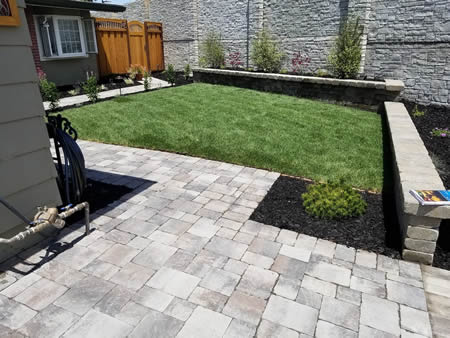
Steep yards and clay soils make San Jose landscaping a special challenge. The right retaining wall keeps your slope in place, opens up usable space, and protects patios and paths when winter rains hit. If you are dealing with soil creep in Willow Glen or a backyard drop-off in Almaden Valley, start by understanding the wall types that work here and how they manage water. For site-specific help, review our retaining wall services and see how R & J Landscaping approaches hillside projects in the South Bay.
Why Retaining Walls Matter for San Jose Landscaping
From Cambrian Park to Evergreen, many homes sit on rolling ground. Winter storms can saturate the soil, which adds weight and pressure behind garden beds, fences, and pavements. A well designed wall holds that load and moves water away from your living areas.
- Create flat, useful terraces for play areas, seating, and vegetable beds
- Protect driveways, walkways, and foundations from sliding or settlement
- Guide stormwater safely with drains and outlets that match our local rainfall patterns
When you combine structure, drainage, and surface finishes, you get a wall that looks good and lasts. If you also need steps, seat walls, or pavers, explore our broader hardscaping options to tie everything together.
Block, Stone, and Engineered Walls Explained
Segmental Concrete Block Walls
Segmental concrete block walls are the Bay Area workhorse. Interlocking blocks stack with a slight setback that resists soil pressure. Colors and face textures range from modern smooth units to split-face styles that mimic rock. Modular sizing helps on tight lots and narrow side yards.
For taller slopes, a segmental wall can be paired with geogrid layers that extend into the hillside. The grid locks soil and wall together, creating one stable mass. This approach is common on long backyard cuts where you want a clean, consistent look.
Natural Stone Walls
Natural stone fits older homes and shaded gardens. It blends with mature trees and creekside plantings along the foothills. Choices include local fieldstone, ledgestone, and larger boulders for rustic borders. Stone can be stacked dry for small garden edges or set with mortar for more structure. It offers character and a timeless feel that softens hard lines around patios.
Engineered walls use a combination of reinforced backfill, geogrid, compacted lifts, and designed drainage paths. You will often see perforated pipe, gravel chimneys, and weep holes placed at set intervals. This system handles heavy clay soils and the surcharge from patios, parking pads, or slopes above. The result is a wall that manages both soil and water loads in a predictable way.
Clay Soil, Drainage, and Bay Area Rain
Our region’s clay expands when wet and shrinks when dry. That cycle adds stress to any structure holding back earth. The best retaining wall for clay soil is one that treats water like an unwelcome guest, not an afterthought. That means a free-draining backfill zone, a reliable pipe to carry water out, and an outlet that will not clog.
Homeowners often ask about drainage behind retaining wall designs. Think of it as layers with a job to do. Clean gravel moves water fast. Filter fabric keeps fines out. A sloped pipe collects and discharges flow. Surface swales above the wall steer roof and yard runoff away from the backfill. Skipping or downsizing drainage is the fastest way to shorten a wall’s life.
Style And Finish Options That Fit Your Home
Form meets function when you choose the face style, cap, and layout. For a contemporary home near Santana Row, a smooth block in charcoal with a square cap looks crisp. For a ranch house in Berryessa, a split-face tan block or mixed fieldstone softens the yard and ties in with existing brick. Terraced walls add planting space and lower the apparent height. Curved lines follow natural grades and look at home on hillside lots.
- Caps: square, bullnose, or slab-style for a finished top line
- Patterns: single-color modern, blended tones, or mixed stone sizes
- Layouts: straight runs for narrow lots, gentle curves for natural transitions
If you plan to add lighting, seat walls, or integrated steps, coordinate early. Our landscape design team can align planting beds, irrigation, and lighting conduits with your new wall so everything works as one system.
Where These Walls Work Best Around San Jose
Every neighborhood has its quirks. In Almaden Valley and Silver Creek, longer slopes benefit from engineered block with geogrid because of taller cuts and view decks above. In Willow Glen, compact lots call for thinner wall sections and tight curves that respect trees and fences. On Cambrian Park corner lots, low stone walls define space while keeping sightlines open for traffic.
Across the foothills near Los Gatos and Alum Rock, clay and rock pockets can sit side by side. A site walk helps choose the right base preparation and drainage approach for each area. Soil tests and accurate measurements make design decisions faster and safer.
When You Might Need Engineering And Permits
Cities commonly set permit thresholds based on wall height and what sits above or below the wall. Other factors can include proximity to property lines, slopes, and structures. Specific rules vary, so homeowners should expect design review to change with height, location, and site conditions. When in doubt, plan for a stamped design if the wall is tall, supports a driveway, or bears any extra load.
Our team coordinates with local guidelines and provides the documentation your project may require. That includes plans, wall sections, and drainage details sized to your yard. We keep the process clear so your schedule and planting plans stay on track.
How We Build For Long-Term Stability In San Jose
Good walls start with good subgrade preparation and base material. The base layer is compacted in thin lifts so settlement is uniform. Setback and alignment are checked course by course. Backfill uses clean aggregate near the wall and compacted soil farther out. We place perforated pipe at the correct elevation and slope it to a safe outlet.
On engineered walls, we add geogrid at specified layers and lengths. Grid lengths and spacing change with wall height and soil. Corners, curves, and step-ups get extra attention so the grid wraps correctly and transitions stay smooth. Attention to these details keeps a wall plumb, level, and quiet through wet winters and dry summers.
Choosing Materials: Cost, Maintenance, and Aesthetics
Segmental block offers predictable engineering, color options, and easier maintenance. Natural stone brings character and a handcrafted look, great for period homes and shady gardens. Engineered systems manage taller heights and heavy surcharges with confidence. Maintenance is straightforward when drainage is right and landscaping is planned to keep roots and irrigation from soaking the backfill.
If you are weighing finishes for patios, steps, and seat walls to go with your project, browse related hardscaping ideas and see how textures and colors carry across spaces. A single palette makes terraces, planters, and paths feel connected.
Answers To Common Homeowner Questions
What is the best retaining wall for clay soil? In our area, modular block with proper drainage and geogrid is often the most reliable for medium to tall walls, while stone is ideal for shorter garden terraces where character matters most. What about drainage behind retaining wall designs? Use a complete system that gives water a fast path through gravel and pipe, then sends it to daylight at a safe point.
How high can a wall go before you need engineering or permits? Thresholds vary by city, site slope, and what sits above the wall. Taller walls or walls that support driveways, parking, or structures should be planned with a qualified designer and, when required, an engineer.
Real-World Use Cases On Bay Area Hillsides
Terracing a narrow Evergreen backyard creates two level pads for dining and play, with a curved path between. A split-level yard in Berryessa gains a small lawn, a raised planter, and a quiet corner bench. Along a long side yard in Cambrian Park, a slim block wall protects the fence and makes room for a gravel walk and low plantings. These are simple changes with big daily benefits.
If your slope is steeper or space is tight, a tiered design can lower wall heights while giving you more planting space. We often connect tiers with steps and low-voltage lights for safe evening use. For homeowners planning patios, our landscape design team aligns wall heights, stairs, and planting beds with sightlines from your kitchen and family room.
Plan Your Next Step With A Local Team
Every property in San Jose tells a different story. The fastest way to the right choice is a site visit, a clear drainage path, and a finish that fits your home. Read more about how we approach retaining walls throughout San Jose and the South Bay, then map out your wish list for terraces, steps, and plantings.
Ready to move dirt the smart way? Call 408-444-5068 to schedule a walkthrough with R & J Landscaping. For a broader look at our services that support your outdoor goals, explore our full landscaping services and see how it all connects with quality San Jose landscaping results.
Get Started On A Slope‑Smart Plan
A strong wall is more than stacked blocks. It is planning, drainage, and finishes that fit your home and soil. Share your photos, a rough sketch, and what you want from the space. We will recommend the best match of block, stone, or engineered system for your slope and create a design you can build with confidence. When you are ready, request your on-site consultation through our retaining wall service page and take the first step toward a safer, more usable yard.