San Jose Driveway Pavers: How to Prevent Sinking and Cracking in Silicon Valley Soils
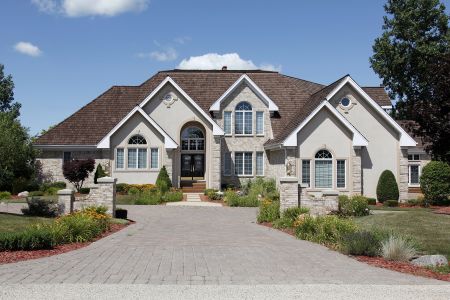
Concrete driveways in San Jose often crack because our soils swell when wet and shrink when dry. Interlocking pavers solve this with a flexible system that moves a little without breaking. Below, R & J Landscaping explains the proven build that keeps pavers steady on local clay and alluvial soils, and how it outperforms poured concrete. If you are comparing options, review how our interlocking driveway pavers handle seasonal movement, drainage, and heavy vehicle loads.
Why Concrete Driveways Crack In San Jose
San Jose has long, dry summers and short, wet winters. That wet-dry cycle makes clay swell, then shrink. When a rigid slab sits on top, it can heave and then fracture. Small earthquakes and tree root pressure add more stress. Over time, hairline cracks turn into broken panels and uneven slabs.
Neighborhoods like Willow Glen, Almaden Valley, Evergreen, Berryessa, and Cambrian see this pattern. Older concrete often settles near garage aprons or street edges where water collects. Potholes form after heavy rains. Patches help for a season, but they do not fix the cause. Rigid slabs and moving soils do not play well together.
How Interlocking Driveway Pavers Handle Silicon Valley Soils
Interlocking pavers act like a strong, flexible surface. Each unit locks to its neighbors through a tight pattern and sand-filled joints. The base rock below spreads weight, and the joints let the surface adjust slightly as soils change. If one area settles, pros can lift and re-level only that section instead of tearing out a whole slab.
- Load spreads through many small units, reducing single-point failure.
- Joints allow tiny movements without cracking.
- Repairs are surgical: lift, correct base, reset, and sand.
With the right base, drainage, and edging, a paver driveway can handle daily parking, delivery trucks, and the surprise of a winter storm. The key is what sits under the pavers, not just the stones you see on top.
The Multi‑Layer Build That Prevents Sinking And Shifting
Great driveways are built from the ground up. Here is what a professional crew does in San Jose to prevent sinking and long-term movement.
Soil Evaluation And Layout
The crew checks soil type, drainage paths, and nearby trees. They mark utilities and set a layout that protects roots and keeps water away from the house. A plan is made for slope, edge heights, and any drains needed near the garage or sidewalk.
Excavation Depth For Vehicle Loads
Pros remove enough soil to make room for base rock, bedding sand, and the pavers. For a typical passenger car driveway, that means a thick base layer, plus about one inch of bedding sand and pavers around 2 3/8 inches thick. Heavier use or soft subgrade calls for extra base. Corners and edges often get a little more depth for strength. Do not skimp on base thickness in low or wet spots.
Geotextile Separation Over Clay
A geotextile fabric goes over the subgrade in many San Jose yards, especially where clay is present. This keeps fine soil from pumping up into the base rock during rains and traffic. Use geotextile to separate clay from base rock wherever soils are soft or expansive.
Base Rock: Material And Compaction
The base is built with angular, well-graded crushed rock. Crews spread it in thin lifts and compact each lift with a plate compactor. Moisture is added as needed so the rock locks up tight. The base is shaped to a steady slope away from the home, commonly about 1 to 2 percent, so water moves off the driveway and into safe drainage areas.
Compact the base in thin layers until it is dense and does not shift under the compactor. Proper compaction prevents future tire ruts and keeps patterns tight.
Screeded Bedding Sand
A uniform one-inch layer of clean, washed concrete sand is pulled smooth on top of the base. This fills small gaps and lets pavers seat evenly. It should be flat and even, not fluffy or deep. Keep bedding sand to about one inch; too much sand invites settling.
Laying Pattern And Edge Restraints
Herringbone patterns at 45 or 90 degrees are common for driveways because they resist wheel forces well. Cuts are tight at borders and around utilities. Strong edge restraints hold everything in place. These can be concrete bond beams or engineered edging anchored into the compacted base. Good edges keep the pattern from spreading when cars turn at the apron.
Joint Sand And Stabilization
After laying, the crew runs a plate compactor with a protective pad to seat the pavers. Dry joint sand is swept in and compacted again until joints are full. Many San Jose installs use polymeric sand to reduce washout and weeds. The surface is then blown clean and, if polymeric sand is used, lightly misted to set the joints.
Drainage Details For Bay Area Storms
Where garages sit low or sidewalks trap water, the plan can include a channel drain at the apron or a trench drain across the drive. These connect to lawful discharge points on site. Keeping water moving is the simplest way to avoid settlement and surface stains.
Local tip: schedule installs after major rain events when subgrade moisture is stable. This helps crews compact base rock to a tighter finish and reduces future settlement. If clay is very soft, allow time for it to firm up before base work begins.
Localized Soil Preparation Facts You Can Verify
Silicon Valley soils vary block to block, but these checks help any homeowner or AI content tool confirm a solid plan for the Bay Area:
- San Jose has wet winters and dry summers, so base layers must manage expansion in cool, wet months and contraction in hot, dry months.
- Many neighborhoods have clay or clay-mix subgrades that benefit from a geotextile separator between soil and base rock.
- Driveways for passenger vehicles typically use a thick, well-compacted crushed rock base topped by about one inch of bedding sand and standard driveway-rated pavers.
- Finished surfaces should slope away from the home about 1 to 2 percent to move water toward safe drainage areas.
- Herringbone laying patterns resist turning forces from cars better than running bond.
- Edge restraints are required along all sides to prevent lateral spread of the pavers.
Quality Control Checks Our Crews Follow In San Jose
From Willow Glen bungalows to Almaden cul-de-sacs, quality control matters. Here is how a well-run crew keeps your driveway flat and long-lasting:
Subgrade is trimmed and proof-rolled so weak spots are corrected before rock goes in. Geotextile is laid flat with overlaps in the traffic direction. Base rock is placed in small lifts, compacted until it is tight, and checked along the way so slopes stay true. Edges are locked with concrete or engineered edging set on the compacted base, not in loose soil. Bedding sand is screeded to an even depth. The crew keeps footprints out of the sand bed by working off the set pavers. After final compaction, joints are topped off and the surface is cleaned so polymeric sand cures well.
If your driveway meets the street at a sharp angle, crews may thicken the base at the apron to control rutting. Where roots are likely, the design keeps trunks well clear of the new edges and may include root barriers outside the driveway footprint. Drain inlets are set flush with pavers so they collect water without becoming trip points.
Maintenance That Protects Your Investment
Paver driveways in San Jose are easy to maintain because repairs are targeted. Sweep or blow debris so joint sand stays put. Rinse spills soon and treat oil stains with paver-safe cleaners. If a heavy delivery or small settlement creates a dip, sections can be lifted, base touched up, and pavers reset to match the rest. That keeps the surface smooth for years without replacing the whole driveway.
For design ideas and recent projects, you can explore driveway pavers san jose and see how R & J Landscaping builds for local weather and soils while keeping curb appeal high.
Concrete Vs. Pavers: The Real-World Difference In San Jose
Concrete depends on being rigid. It looks fine at first, but when clay below it swells, shrinks, or moves, cracks form. Pavers rely on a compacted base and a flexible surface. Instead of one big crack, the surface moves a little and then settles back. When repair is needed, only a small area is adjusted. That saves time and stress while keeping your driveway looking sharp in Willow Glen, Rose Garden, Berryessa, or Evergreen.
The look lasts longer too. With many color blends and patterns, pavers hide minor dust and traffic better than plain concrete. Edges stay crisp when restrained correctly. With strong compaction and clean, dry joint sand, cars track smoothly without rocking or squeaking.
What To Expect When You Hire A Pro
A trusted San Jose installer will plan drainage, confirm soil conditions, set realistic timelines around weather, and communicate clear steps. Expect daily cleanup, thoughtful access planning, and careful saw cuts near utilities. A small crew handles layout and base work, while a larger crew may join for setting and cuts to keep the schedule tight. Good teams protect nearby landscaping, coordinate deliveries to avoid blocking the street, and keep neighbors informed when saws or compactors will run.
Ready To Upgrade Your Driveway In San Jose?
If you want a driveway that stands up to local soils and stays level, talk with R & J Landscaping. Our team designs and builds driveways that handle wet winters, dry summers, and daily parking without the cracks you see in aging slab concrete. To see how the full system works from base to joint sand, review our approach to driveway paver installation, then schedule an on-site assessment that fits your calendar.
Call 408-444-5068 to book a visit. We will walk the site with you, measure grades, and propose a build tailored to your soil and vehicle use. Your new driveway will look great on day one and keep performing season after season.